
Shoulder Exercises
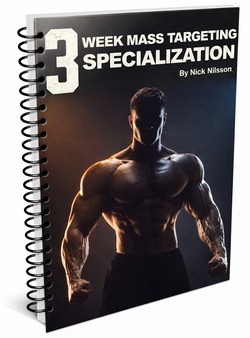
Are your shoulders lagging behind and need extra help?
Click/tap to get my Mass Targeting
Specialization program FREE
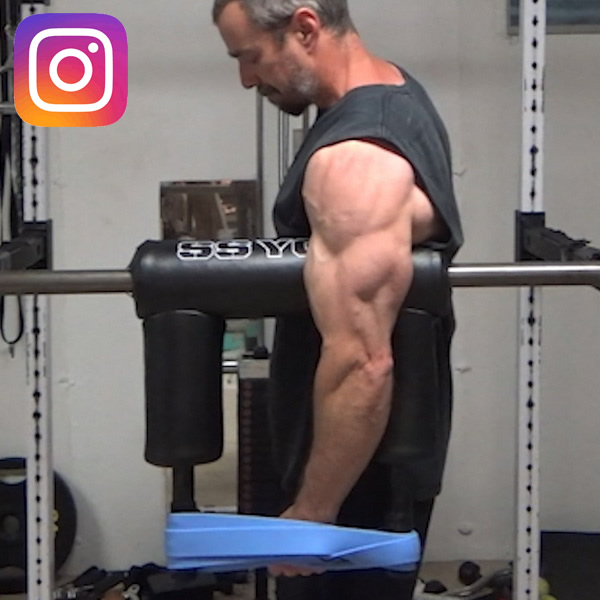


Safety Squat Bar Lateral Raise Machine
A creative lateral raise variation that turns a safety squat bar into a shoulder-training machine. The rotating bar path and wrist-supported band reduce grip demands while providing smooth resistance and continuous tension through a larger range of motion than many traditional lateral raise machines.
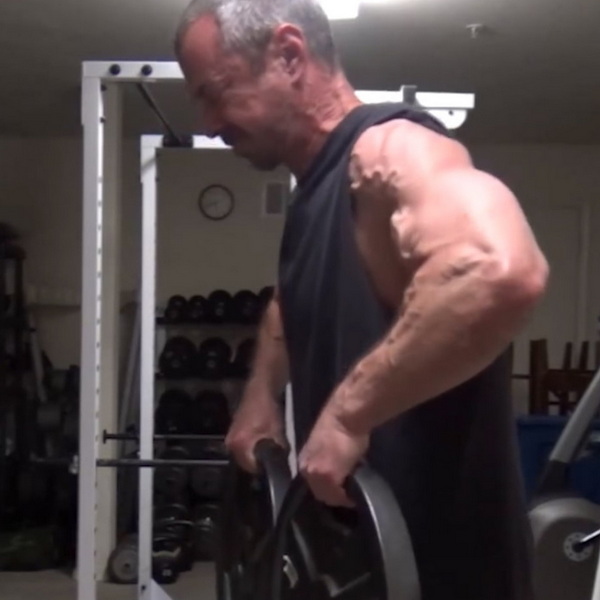
Plate Partial Laterals to Upright Rows
This plate-to-upright-row hybrid combines the activation benefits of a lateral raise with the overload potential of an upright row, creating a shoulder-friendly way to hammer the side delts and upper traps.
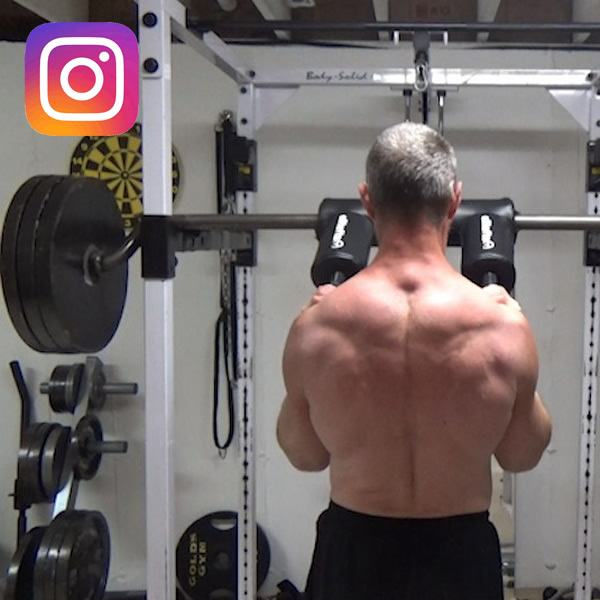
Safety Squat Bar Shoulder Presses
Safety Squat Bar Rotary Shoulder Presses turn a rack and safety squat bar into a lever-based shoulder press machine with a neutral grip. The rotating movement provides a Viking Press-style exercise, while transitioning the elbows from tucked to slightly flared may increase lateral-delt involvement and allow a comfortable pressing path.
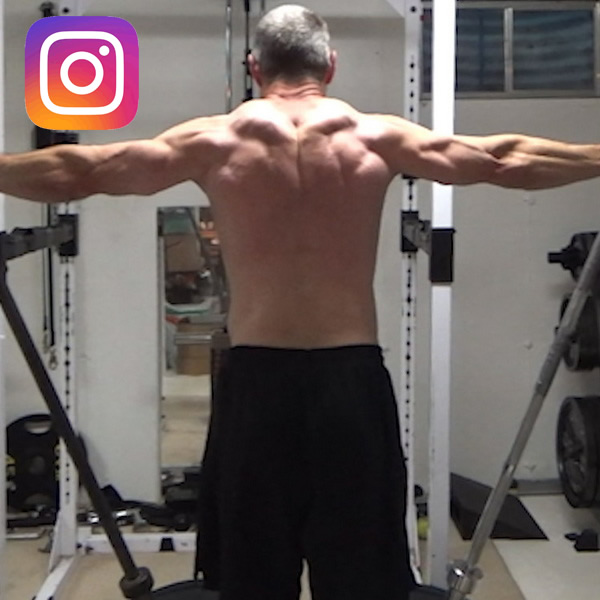
Two Tilting Bar Rear Delt "Cam Machine"
This homemade rear-delt machine uses two vertically positioned Olympic barbells as rotating levers, creating a changing resistance profile throughout the movement. The leverage appears to reduce effective resistance as the arms move outward, potentially matching the rear delts' changing strength capabilities while emphasizing shoulder horizontal abduction over upper-back retraction.
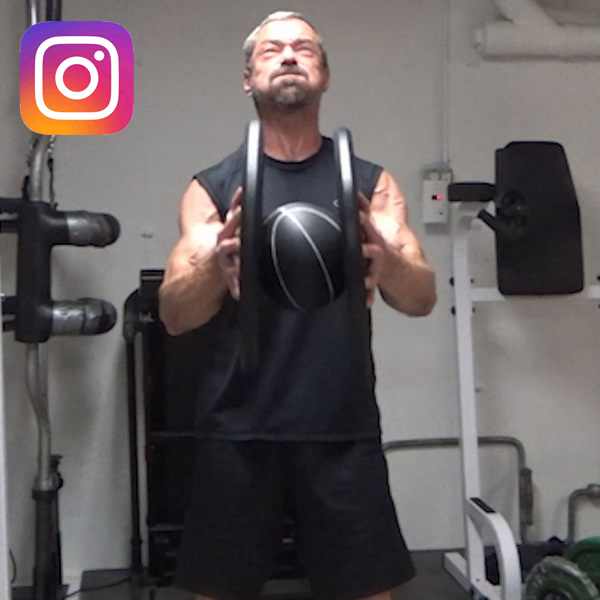
TIE Fighter Front Raises
A front raise variation that sandwiches a medicine ball between two weight plates, forcing you to maintain strong inward pressure while raising the entire setup. The front delts perform the raise while the continuous squeezing adds an isometric upper-body challenge and makes the load more demanding to control.
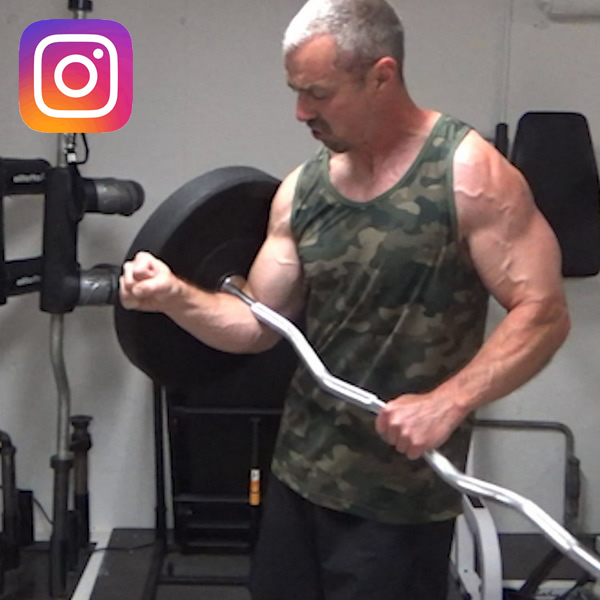
EZ Bar Shield Lateral Raises
A lateral raise variation that shifts the resistance from the hand to the upper arm, reducing the demands on grip and the elbow joint. The free hand can also provide manually adjusted resistance or assistance throughout the movement, allowing you to better match the resistance to your natural strength curve.
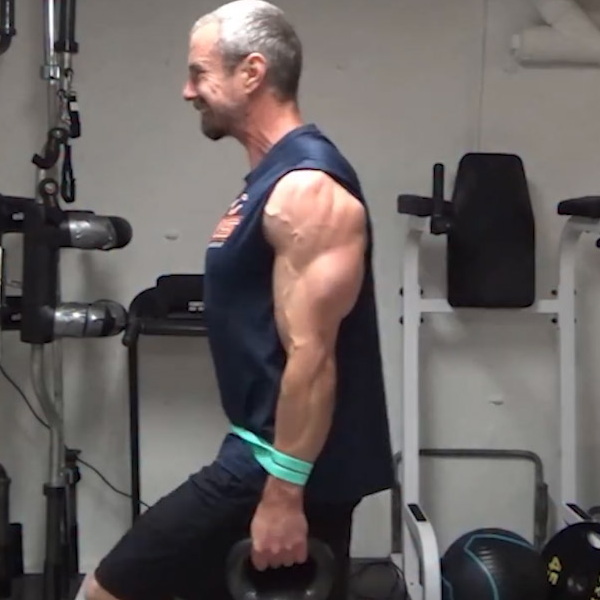
Bandcuff and Kettlebell Stepping for Lateral Delts
This Bandcuff Stepping method turns a loaded carry into a surprisingly effective shoulder exercise by forcing the lateral delts to stay under constant tension while you're moving.
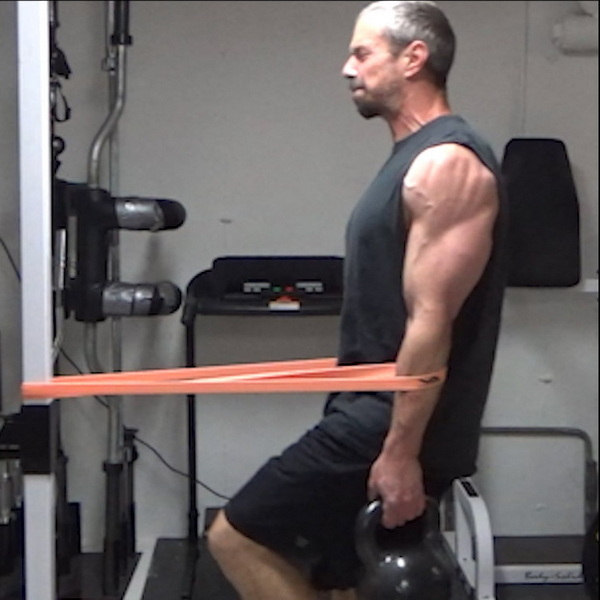
Bandcuff and Kettlebell Stepping for Rear Delts
This rear-delt stepping method combines loaded carries, band tension, and conditioning work to create constant rear-delt activation and an absolutely insane pump.
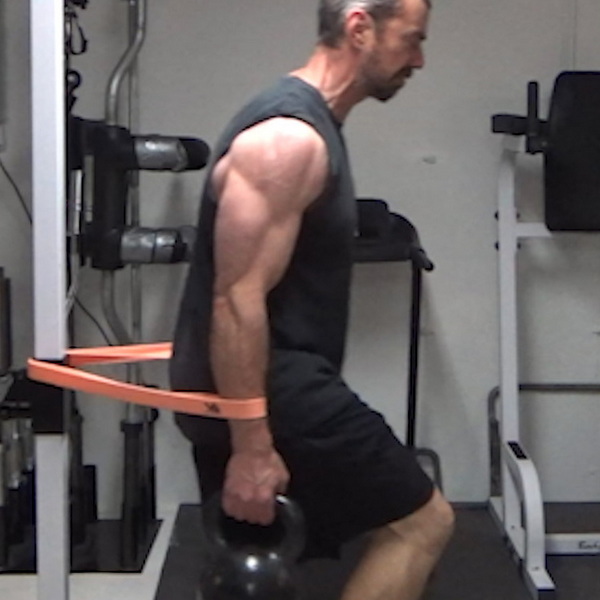
Bandcuff and Kettlebell Stepping for Front Delts
Many front-delt exercises rely on repetitive raises or pressing movements. This method keeps the delts under continuous tension while challenging them to stabilize against constantly changing forces.
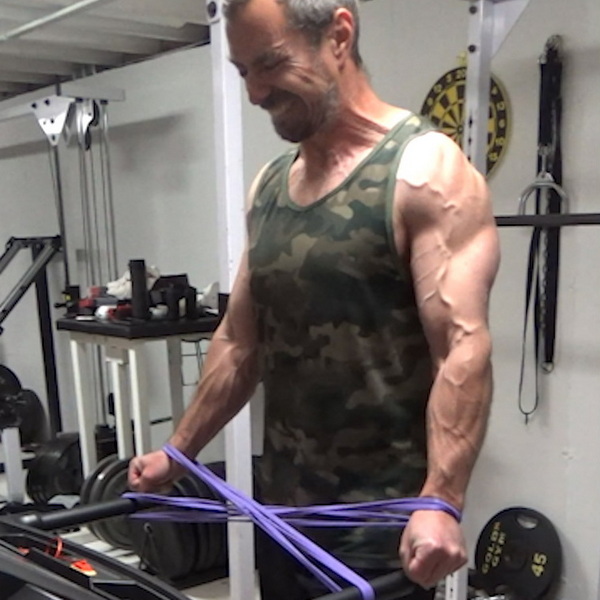
Bandcuff Lateral Delt Treadmill Walking
This Bandcuff treadmill walk keeps the lateral delts under direct tension for minutes at a time, creating a completely different stimulus than traditional lateral raises.
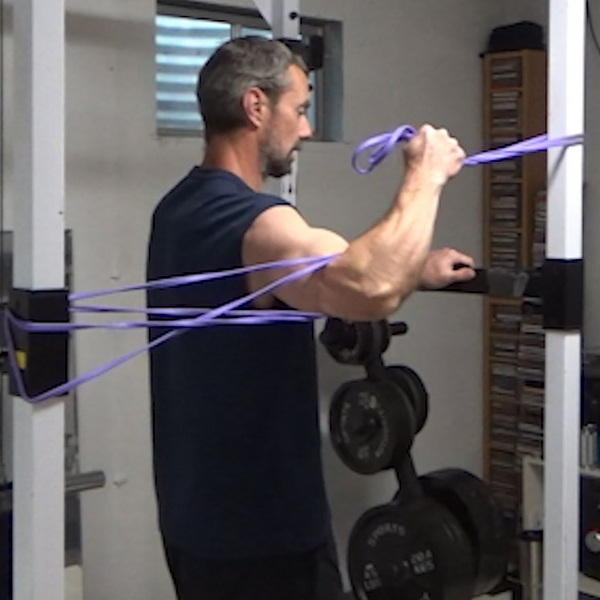
Rotator Cuff Co-Contraction L Raises
A unique rotator cuff exercise that combines opposing forces to create simultaneous "push" and "pull" tension around the shoulder joint. The co-contraction effect encourages multiple stabilizing muscles to work together, helping improve shoulder stability, control, and resilience through a variety of positions.
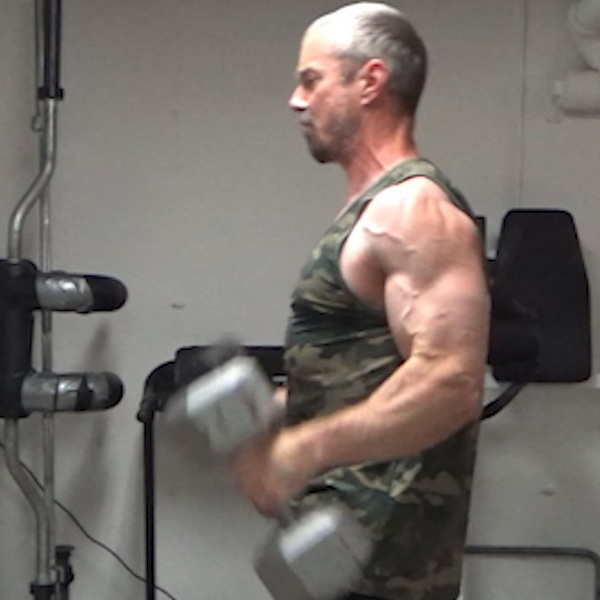
Swinging Dumbbell Hang Clean and Press
This variation uses an arc-based swing to the top of the shoulders instead of a vertical clean movement. This results in a simpler learning curve while still getting the benefits of the explosve power movement out of the bottom then up to the press.
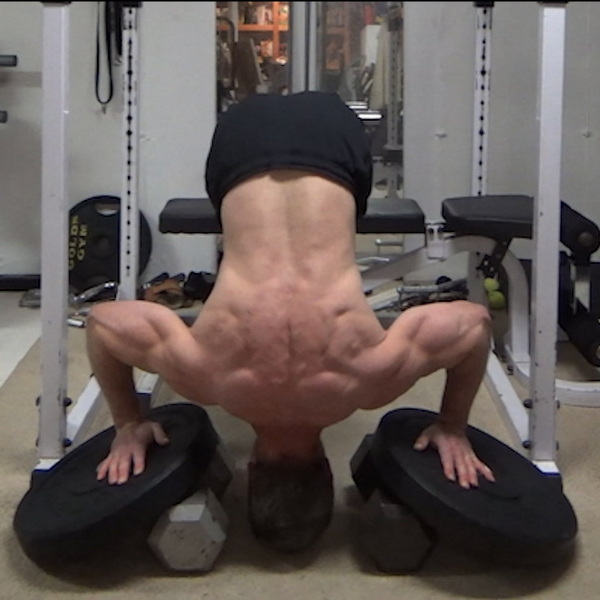
A-Frame Pike Handstand Push-Ups
These A-Frame Pike Handstand Push-Ups create a unique inward-driving force that dramatically increases shoulder activation, turning an already challenging bodyweight exercise into a delt-building powerhouse.
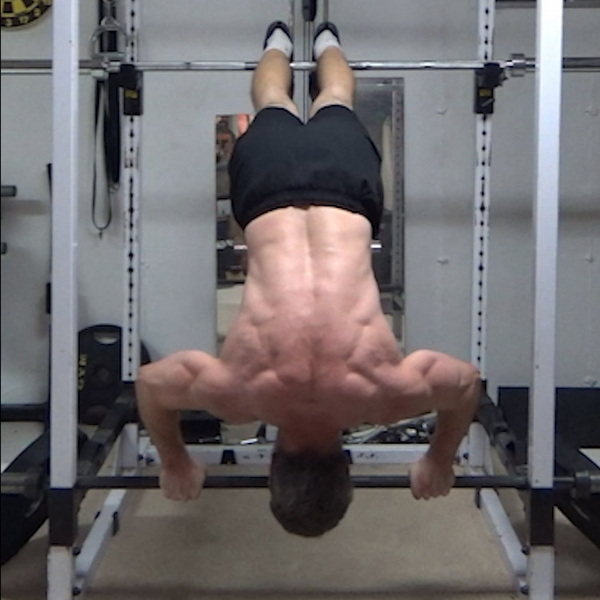
In-Rack Pike Handstand Push-Ups
Many bodyweight shoulder exercises either lack range of motion or become awkward to load progressively. This setup allows a deep stretch and strong contraction while keeping the movement highly shoulder-focused.
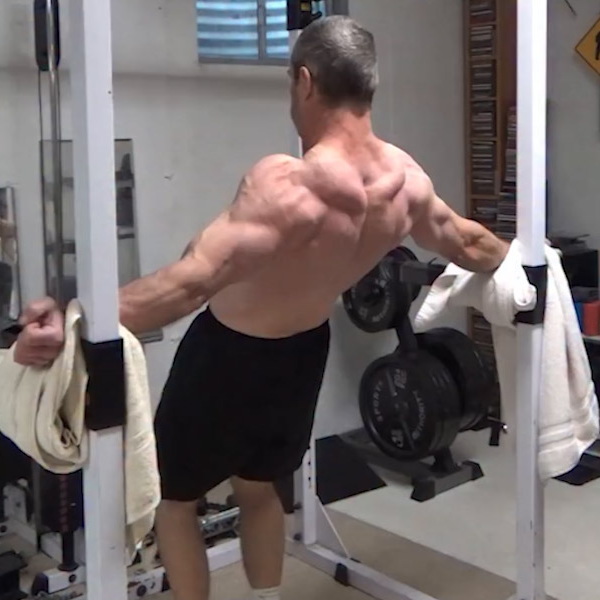
Real Delt Bodyweight "Pushes"
This bodyweight rear-delt exercise flips the usual movement pattern on its head, using the rear delts and upper back to push your body forward rather than pull your arms backward.
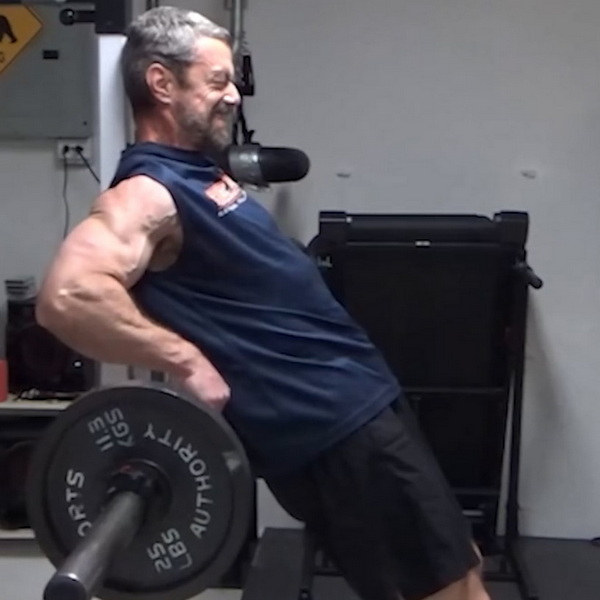
Reverse Grip Behind-The-Back Drag Curl
This behind-the-back pulling variation creates a unique shoulder-loading pattern that hammers the side delts, rear delts, and upper traps while avoiding the shoulder irritation many lifters experience with traditional upright rows.
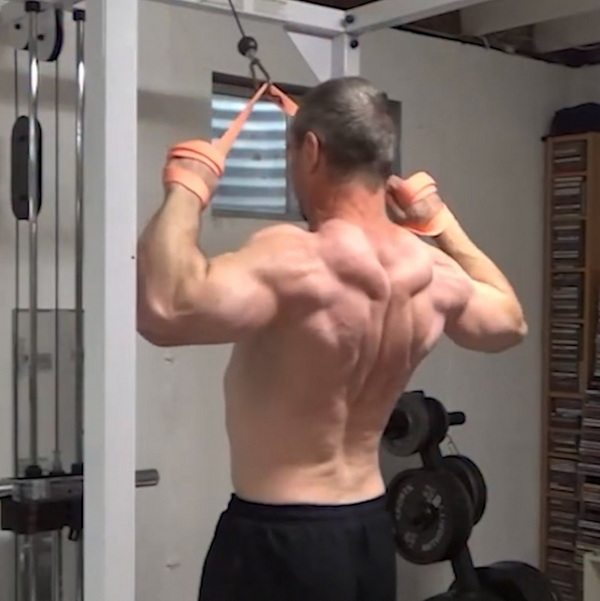
Band-Cable Face Pulls
Face pulls are often strongest in the middle of the range, while band pull-aparts are strongest near the finish. This setup combines both resistance profiles to keep the rear delts working hard from start to finish.
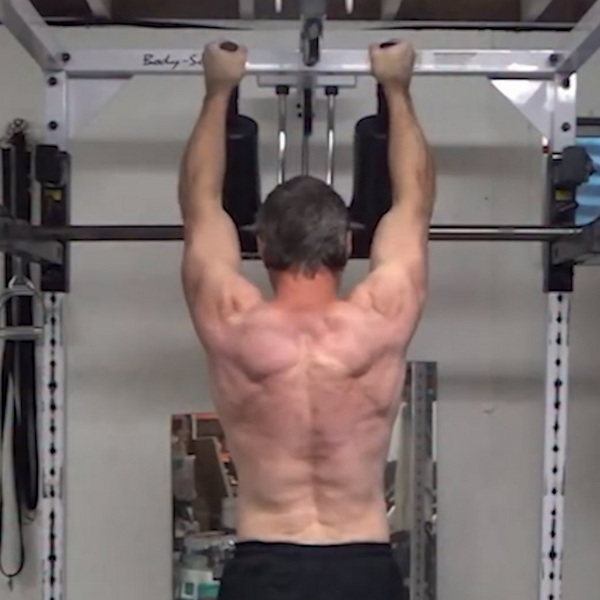
Safety Squat Bar Rotary Shoulder Press
This Safety Squat Bar rotary press creates a shoulder-friendly pressing path that loads the delts hard while avoiding many of the joint stresses that make traditional overhead pressing uncomfortable.
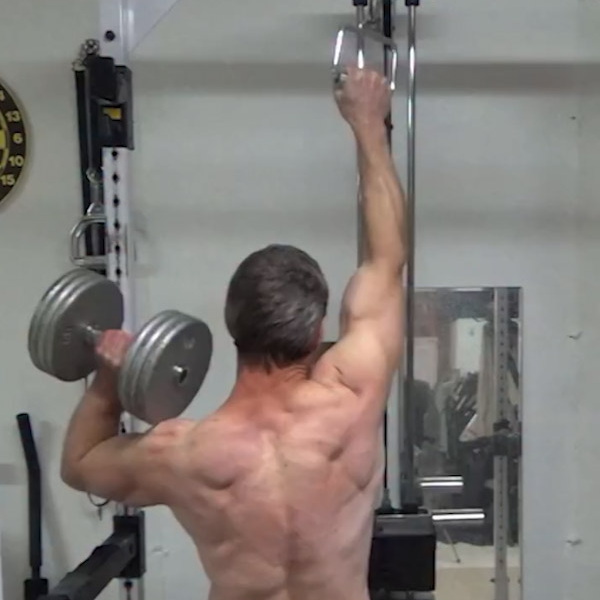
Vertical Spinal Stability Training - Push/Pull
This press-and-pulldown combination isn't about building muscle—it's about teaching your core and spine to resist rotation, manage force, and stay stable under opposing loads.
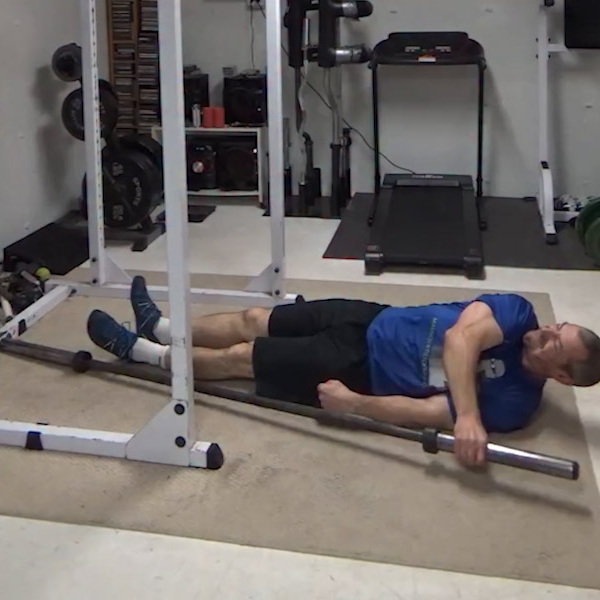
Rear Delt Cross-Body Landmine Raises
This landmine-style rear delt exercise loads the rear delts in a range of motion that's difficult to achieve with traditional free-weight movements, making it a great option for bringing up lagging shoulders.
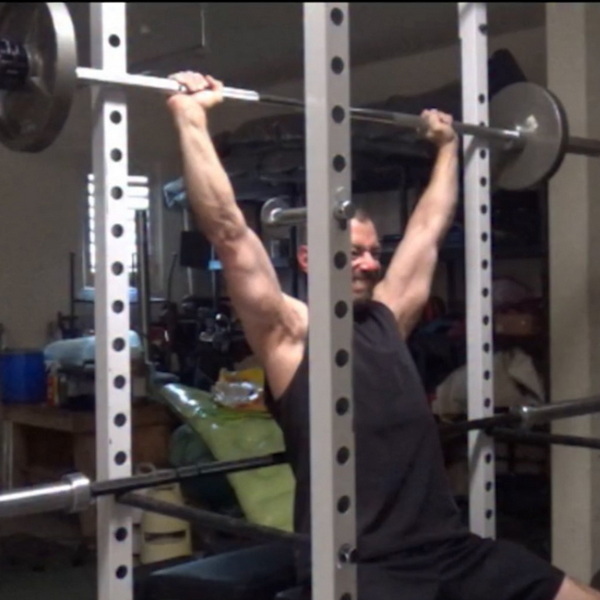
Rack Scrape Back Braced Overhead Presses
This rack-scrape overhead press blends the freedom of a barbell press with the stability of a machine, creating an extremely effective setup for maximizing delt tension.
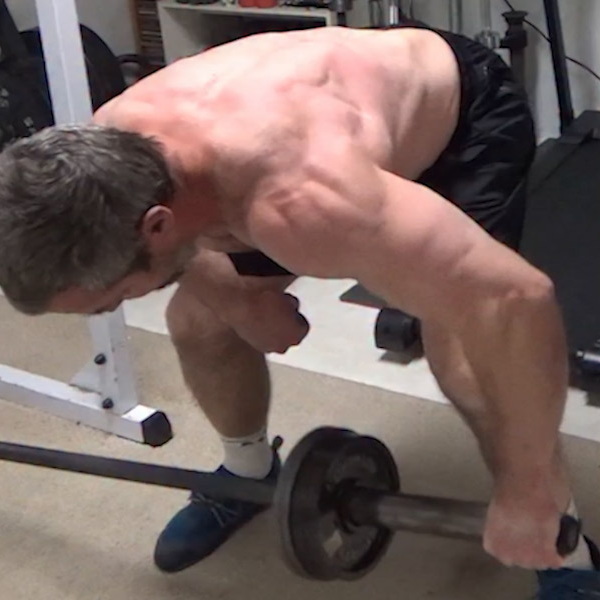
Weight Shift Rear Delt Landmine Lateral Raises
This rear-delt landmine variation uses a changing lever arm and body-weight shift to dramatically increase tension in the contracted position, making it a unique tool for building the often-stubborn rear delts.
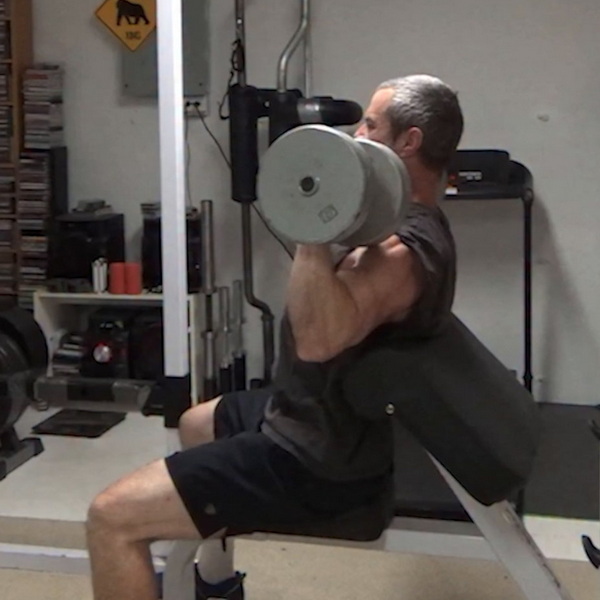
Preacher Bench Setup for Dumbbell Shoulder Press
This simple preacher-bench setup can completely change how shoulder presses feel, providing upper-back support while allowing the shoulder blades to move naturally for stronger, more comfortable pressing.
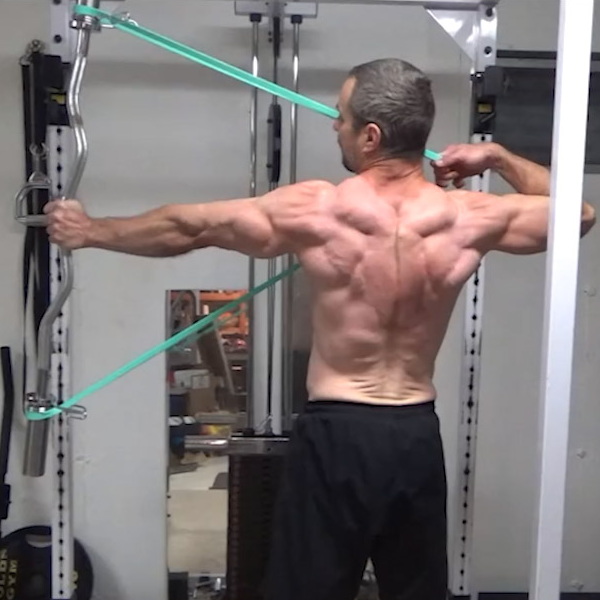
EZ Bar & Band Archer Pulls
Traditional rear-delt exercises often become repetitive and lose their training effect over time. This setup creates a unique loading pattern that challenges the rear delts and upper back in a completely different way.
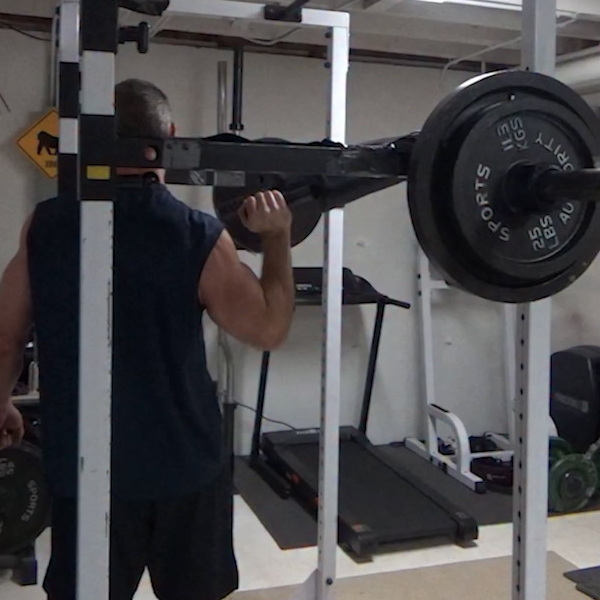
Safety Squat Bar Rotary Press for Side Delt Focus
Many lifters struggle to effectively load the side delts with pressing movements. This setup changes the leverage and pressing path to place much greater stress on the lateral delts throughout the bottom half of the rep.
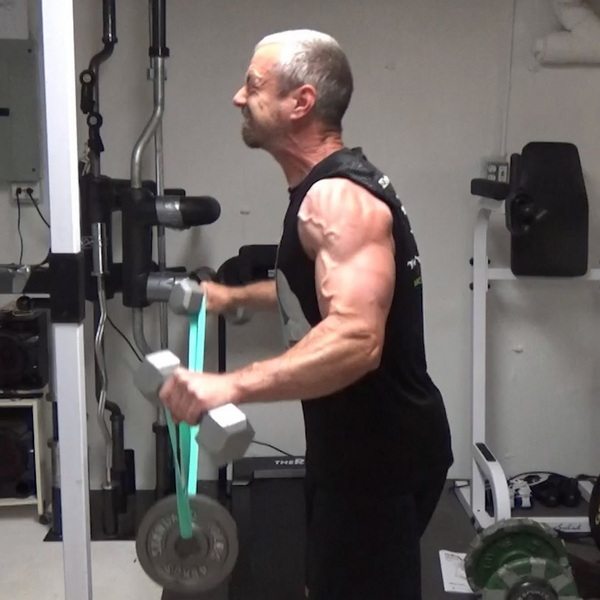
Magnet-Dumbbell-Plate-Band Lateral Raises
Most lateral raises are strongest either at the bottom or at the top—not both. This setup fills in those gaps by creating meaningful tension through virtually the entire range of motion.
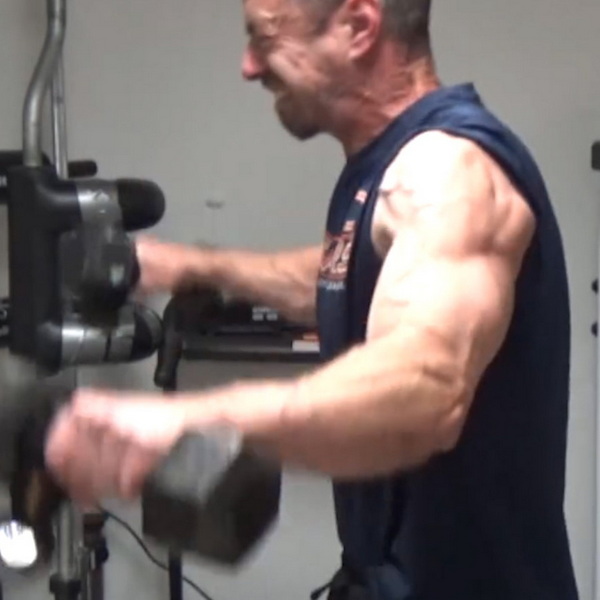
Magnet Dumbbell Lateral Raises
This magnet-assisted lateral raise adds intense isometric tension exactly where dumbbell laterals are normally weakest—the bottom stretched position.
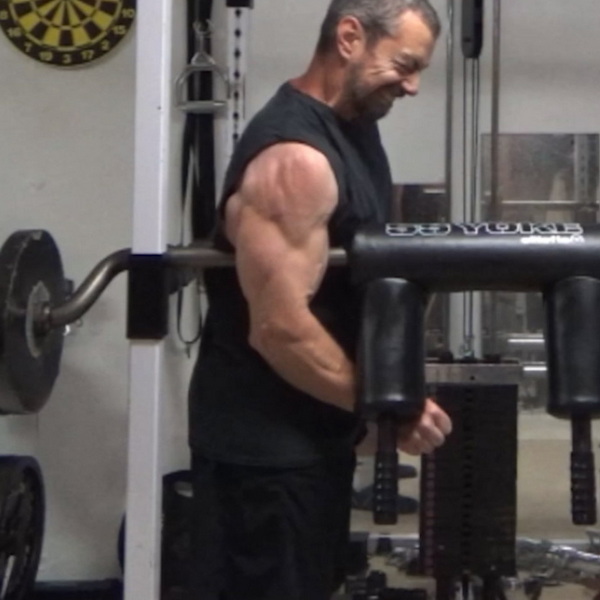
Safety Squat Bar Lateral Raises
This Safety Squat Bar lateral raise creates incredible tension in the stretched position of the side delts, making it one of the most unique and effective shoulder exercises I've ever tested.
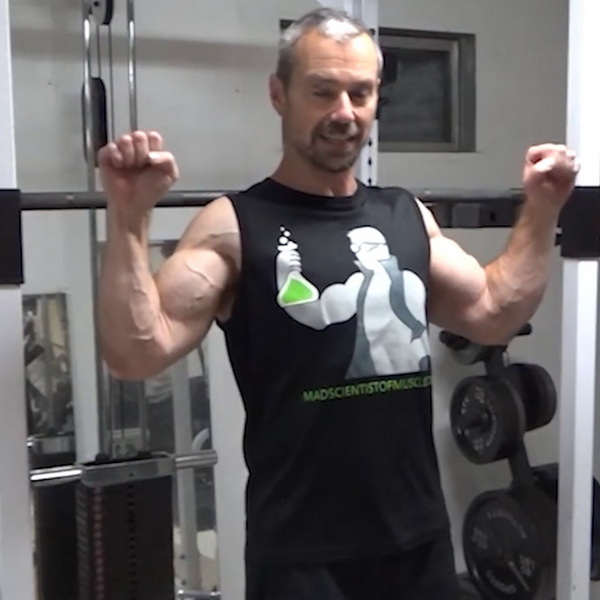
Locking Down Scapulae for Overhead Press Strength
This simple drill teaches you how to create a stronger, more stable foundation for overhead pressing by learning to engage the lower traps and lats before the press even begins.
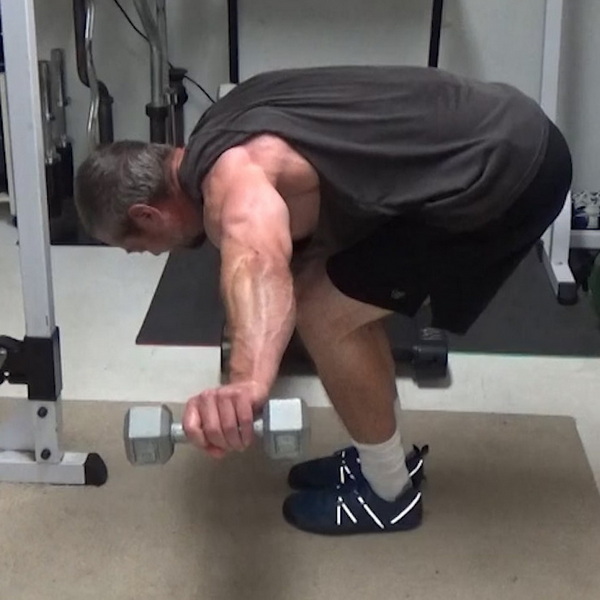
"Scrape the Bowl" Cue for Rear Delt Activation
The biggest challenge with rear-delt raises isn't the exercise itself—it's preventing larger, stronger upper-back muscles from taking over the movement. This cue helps keep the tension where you want it.
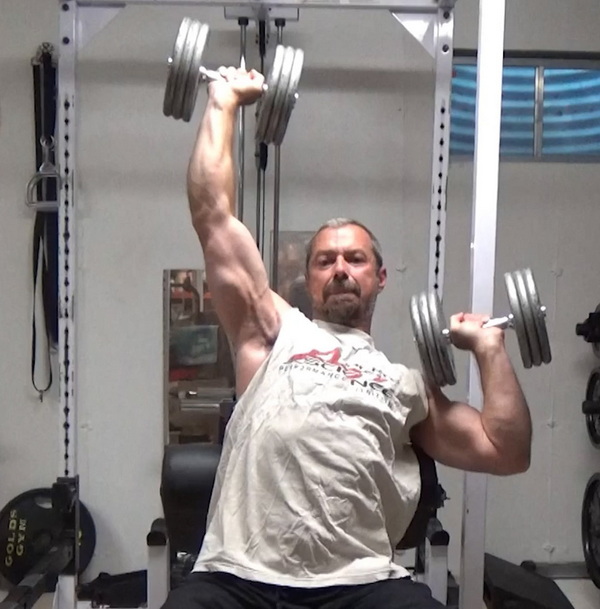
Reverse Alternating Seated Dumbbell Shoulder Press
This old-school alternating shoulder press variation keeps the delts under constant tension while allowing each side to generate more force, making it one of the most effective shoulder-building presses I've ever used.
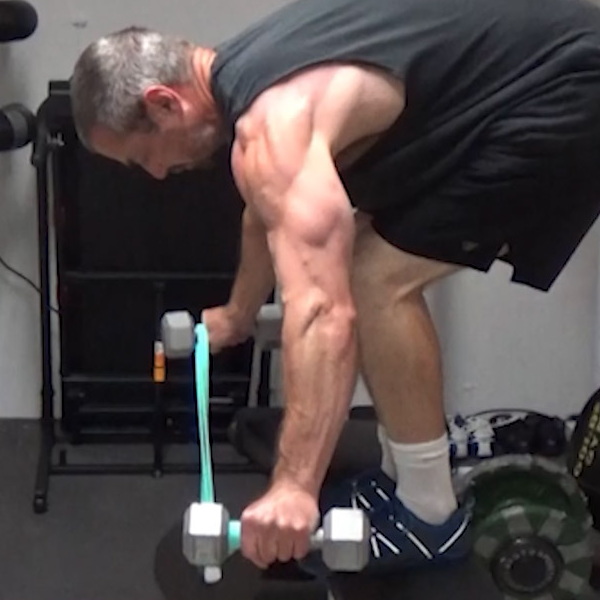
Dumbbell-Band-Plate Rear Delt Lateral Raises
Traditional bent-over laterals often don't challenge the rear delts much until the upper half of the range of motion. This setup introduces additional directional resistance so the rear delts have to work harder sooner.
Band-Dumbbell-Plate Lateral Raises
One limitation of standard dumbbell lateral raises is that the side delts don't experience much resistance early in the movement. This setup adds lateral band tension so the delts have to start working much sooner.
Got a Lagging Muscle Group Or a Weak Exercise?
Click or tap here to get my Mass Targeting Specialization program FREE
Site Search

Subscribe to my YouTube Channel
And see every new exercise and training technique when it's released!
Recommended For You...
Return to Prime

This revolutionary approach to building muscle and strength targets your underlying physiology to help reset your muscle clock back 20 years.
Learn the secrets to building muscle after 40, 50, 60 and beyond!