

Creatine...How and Why To Use it and Potential Side Effects
TL;DR Creatine Supplementation
- Creatine is made in your body from the amino acids arginine, glycine and methionine and stored in muscle as phosphocreatine, where it helps regenerate ATP for short, intense efforts and hard contractions.
- Your body makes about 1 gram of creatine per day. To get the commonly recommended 5 grams per day from food alone, you’d have to eat a lot of meat or fish—more than most people can (or want to) eat, especially once you factor in losses from cooking.
- The best-supported form is creatine monohydrate. Liquid creatine or creatine ethyl ester (CEE) haven’t performed as well in studies.
- Bottom line: for most healthy lifters, creatine monohydrate at 3–5 g per day is one of the safest, most effective supplements for strength and performance—but it’s not mandatory, and listening to your body (and your labs) matters more than chasing hype.
One Product mentioned in this article:
• Creatine Mondyhydrate from BulkSupplements
Issue #6 - Creatine Supplements
If you aren't currently taking creatine, you've probably heard about it and wondered what all the fuss is about. People take creatine because it provides extra energy to your muscles so you can work out harder and longer. It helps to increase muscle mass and strength as well as reduces muscle fatigue and speeds up recovery.
What is creatine?
It's a compound found naturally in our body and made from the amino acids arginine, glycine and methionine. Our muscles convert creatine into phosphocreatine which then stimulates the production of ATP which then provides us with the energy to build more muscle. It helps our muscles contract or flex and provides quick burst energy.
Do we make creatine ourselves?
Yes, we make 1 gram of creatine per day in our liver, kidneys and pancreas. But, we need 5 grams per day to get the muscle building benefits.
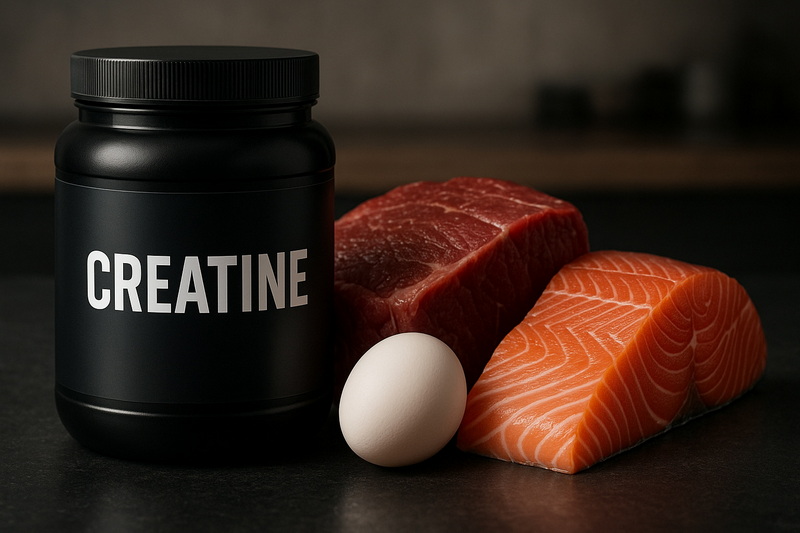
You also get creatine from food sources such as beef, pork, herring, salmon, tuna and lamb. But, the question is how much can you get from food? And, can you get 5 grams per day from your food?
Let's do the math.
One pound of herring, the highest creatine containing food, will get you about 3 grams of creatine, in its raw state. A 4 ounce portion (raw) will have 0.75 grams of creatine. There are 16 ounces in a pound so you would need 4 of those 4 ounce portions of herring to get about 3 grams of creatine. That's a lot of raw herring!
Beef and salmon contain 2 grams of creatine per pound in their raw states. A 4 ounce portion of either one will get you 0.5 grams of creatine. Pork (raw) contains a similar amount of creatine to beef and salmon. Chicken (raw) contains less creatine at 0.2 grams per 4 ounce portion.
And, you need to consider that cooking the meat will decrease its amount of creatine.
You can lose 30-50% of creatine if using a high temperature cooking method like frying or grilling. A more gentle form of cooking like steaming will preserve more creatine. Well done meat equals less creatine.
You have to eat a LOT of meat to get to 5 grams per day.
You would potentially need to buy 5 pounds of raw beef to come up with 5 grams of creatine if you grilled your burgers on the BBQ. That's going to be an expensive visit to the grocery store!
For most people, including myself, it's an unrealistic amount to eat in a day. I've seen Nick eat enough in one sitting, but he's a special case. If you don't already know, he can eat for 4 people without breaking a sweat. Creatine supplementation is looking like a pretty good option right about now.
If you are vegan or vegetarian, you could benefit from supplementation.
You can also eat vegan/vegetarian foods that contain the three amino acids identified above that make creatine.
Have you heard the term “non-responder?”
I read that up to 20-30% of people will be non-responders to creatine supplements. You could turn out to be a non-responder because your creatine level is already pretty high due to your current diet or even your genetic make-up. If you eat a lot of meat, you won't likely see as much of an improvement from creatine supplements as someone who eats no meat or very little.
I came across research suggesting that taking creatine at the same time as caffeine could decrease its effectiveness. Maybe people think they are non-responders and it turns out they just need to take it separately from their morning coffee? Worth a try.
Creatine has been well studied regarding its muscle building and recovery benefits and you are now seeing more research coming out about its benefits to our brains, especially as we age.
Studies are showing improvements in short term memory and reasoning when people over the age of 60 take 5 grams per day. Creatine acts as neuroprotection, protecting your nerve cells.
Regarding supplementation, you can be a muscle “non-responder” but still be a “responder” for the brain. Creatine crosses the blood-brain barrier so it can provide energy to the brain. So, even if you found no benefit regarding your muscles, it doesn't mean you won't find a benefit to your brain.
Creatine pulls water into your muscles, so you need to make sure you are hydrating well when you take it as it can cause dehydration.
If it's in powder form, you want to make sure it dissolves well. If it doesn't, even in warm water, try another brand.
Side effects of creatine include temporary weight gain from water retention as your muscles start pulling in more water. You could also experience dizziness, nausea, diarrhea and excessive sweating.
Or, you could experience my weird side effect. Keep reading to find out!
When considering what type of creatine to take, consider the research.
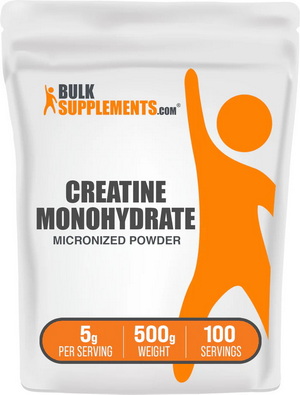
Creatine monohydrate is the type with the most research behind it and with the best results. You may come across liquid creatine or creatine ethyl ester (CEE) but they aren't as good as the monohydrate.
[editors note: Click here for the Creatine Monohydrate brand I recommend]
You may find products that contain creatine monohydrate along with other ingredients to create a combination product claiming many different benefits.
Be aware of the amount of creatine in these products before you choose that option. They don't typically contain enough creatine to get you the results you are looking for. You are better off to buy creatine monohydrate and mix it with your favorite juice.
There are also creatine gummies available now. Nick recently reviewed a brand called CreaGums and had great things to say about it.
Speaking of juice, I read that taking creatine with sugar or any carbohydrate will raise your blood sugar, which helps creatine uptake into your muscles. Eating carbs causes insulin to be released which helps transport nutrients around the body. But I also came across studies claiming no difference in absorption or results if taking creatine without sugar.
There are also studies that suggest taking creatine with carbohydrates and protein together is the best way to go. It's confusing.
You might want to experiment to see if you find any difference in how you feel and how your workouts are going.
There are two ways to start taking creatine.
The International Society of Sports Nutrition recommends “loading” creatine by taking 20 g per day in divided doses for one week and then dropping to 5 grams per day or starting at 5 g per day and staying at 5 grams. It will take longer to saturate your system but will be easier on your kidneys.
Spoiler alert! My experience with creatine supplementation was very very short lived due to the weirdest side effect...
I followed Nick's recommendation to take creatine monohydrate and to dissolve it in warm water. He advised me to drink plenty of water as well. I chose to take a half dose of 2.5 grams rather than the recommended dose of 5 grams. Good thing I did that.
On the third day of taking a half dose of creatine, I was having trouble breathing normally. I felt like I couldn't take a full breath. It wasn't bad enough that I felt like I needed immediate medical attention, but it was uncomfortable and worrisome.
Creatine was the only new thing I was trying, so I believed it was to blame for what I was feeling. I went online to try to find some explanation as I waited to see if my breathing would get worse or improve. Thankfully, my breathing didn't get any worse and went back to normal after a couple of hours. Creatine experiment concluded.
Did I experience a common side effect?
No, not common, but also not unheard of either. Through my research, I discovered that my reaction could have been allergic, related to hydration or a pre-existing respiratory condition like asthma or COPD, genetic or just plain unusual.
Since my reaction happened after three doses and didn't include any swelling, I don't think it was allergic.
My experience with allergic reactions to new things has typically happened after the second dose. My body didn't know what it was after the first dose, but was prepared to freak out after the second dose.
I was sure to drink plenty of fluids and it was only three small doses, so I don't think it was related to hydration. I don't have asthma, but we do have relatives with asthma, so there could be a genetic component to my reaction. Or, it could have been just a weird thing that happened.
I read about some people having this same reaction but it taking weeks or months to occur.
If you are asthmatic or have another lung condition, just be aware of this potential uncommon reaction. Be sure to keep your hydration level up as well. If I am describing something that happened to you, just know that you are not alone and there are a few possible reasons for why it happened to you.
Are there other reasons for avoiding creatine supplements?
If you have kidney problems, I suggest doing some research or talking with your medical professional. Our kidneys process creatine and the more you take, the harder your kidneys have to work.
Creatine may influence glucose metabolism and insulin sensitivity, so if you are diabetic, it's a good idea to do some of your own research or check with your medical professional before trying the supplement.
Most creatine studies relating to diabetes are studying Type II diabetes. Currently, there is very little research on creatine and Type I diabetes.
Stay tuned for the next issue of Good Health...Under Construction where I write about histamine sensitivity.
Nick's sister, Alexis
More From Fitstep.com
| Stink Training for Bringing Up Weak Bodyparts | |
| Fat Loss Circuit Training With Dumbbell Crawling | |
| The Great Big List of Calorie-Free Foods | |
| 4 Tips For Larger, Firmer, Rounder Glutes |
Site Search

Subscribe to my YouTube Channel
And see every new exercise and training technique when it's released!
Recommended For You...
The Starting Monday Diet

Learn how to eat for fat loss WITHOUT losing muscle or strength. This simple, week-based diet program will get you ripped AND strong. This is the best "no guilt" diet program I've ever put together.
Discover the easiest way to get lean and KEEP your muscle...