

From Bugs to Bone Broth: My Strange Journey Down the Protein Powder Aisle
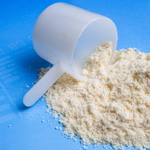
TL;DR Protein Powders From Whey to Bugs
- This article is a real-world test drive of many protein powders: whey, casein, plant-based blends, egg white, hemp, cricket, collagen, and bone broth.
- Not all “complete” proteins feel good in real bodies—bloating, nausea, bathroom sprints, and taste/texture issues knocked several options off the list.
- A1 vs A2 dairy may matter: A1 beta-casein can produce an opioid-like peptide that may slow digestion and contribute to constipation in some people.
- Plant proteins often need to be combined to hit essential amino acid targets (lysine and methionine are common weak spots), and serving sizes can be sneaky.
- Collagen and bone broth can support joints, skin, hair and more, but dose, source (cow, pig, fish, eggshell), and extra ingredients can trigger issues like acne or GI upset.
One Product mentioned in this article:
• Ancient Nutrition A2 whey protein
Issue #2 - The Full Rundown on Protein Powders That I've Tested
Before I talk about my protein powder experiences, I just want to go over some basic information about protein powders and essential amino acids.
There are many reasons for adding protein powder supplements to your diet. Examples include trying to build more muscle, meal replacements, dietary restrictions, and increasing protein to help your body heal from illness. My reason has been to help support my body as it heals.
Essential amino acids are the main focus of protein powders. Essential amino acids (EAA's) are those that the human body cannot make on its own so we need to eat protein in order to obtain them. The nine EAA's are histidine, isoleucine, leucine, lysine, methionine, phenylalanine, threonine, tryptophan, and valine.
You may also have heard of “branched chain amino acids” or BCAA's. BCAA's are a sub-group that include isoleucine, leucine and valine. This sub-group may increase muscle growth and reduce soreness and fatigue after workouts, so they are popular with people concentrating on building muscle.
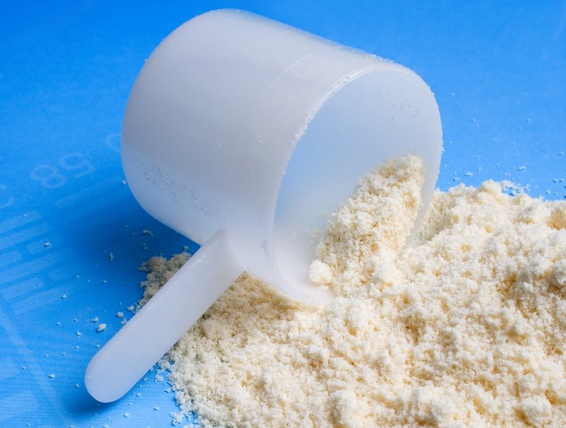
Protein powders come in plant based varieties and animal based varieties.
It's important to be aware of the amounts of individual essential amino acids found in the types you are considering. Plant based varieties will have all nine essential amino acids so they can be called “complete” in that sense. But they do not always contain enough of all the essential amino acids to meet the World Health Organization's amino acid requirements for human nutrition.
Typically, they are lower in lysine and/or methionine. In order to get the most out of your protein powder supplement, you need all the EAA's at the correct amount. That's why you will see some brands combining different plant based proteins together to give you a truly complete product.
Alternatively, you can eat a variety of plant based foods to fill any gaps in your plant based protein powder in order to meet the daily amino acid requirements.
You also need to pay attention to serving size when considering how much protein a protein powder contains.
You might see a brand advertising 30 g of protein, which sounds fantastic. But, when you look further you note that it takes two scoops of that powder to get that protein amount. You end up going through the product faster than you expected. Companies can choose any scoop size they want or serving size they want.
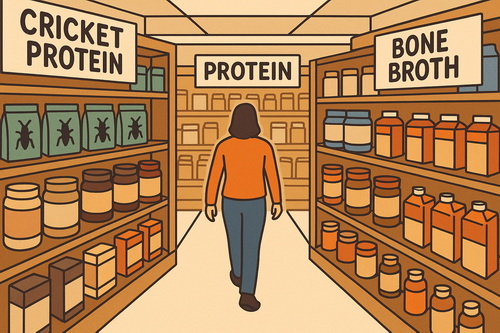
My goal has been to find a protein powder supplement that I can digest easily with minimal GI disruption, is a complete source of essential amino acids, and has a reasonable taste.
Sounds simple, right?
Not necessarily.
I look for minimal ingredients so I have less ingredients to investigate and less ingredients to blame if something goes haywire. It also allows me to control what I add to the powder in a smoothie for example. I look for little to no sugar, no artificial ingredients, and flavor options that include “unflavored”.
I have tried many different protein powder supplements over the years. Starting with the cow's milk based powders, I tried a few different whey protein products as they are a complete source of essential amino acids.
Cow's milk contains two main types of protein; whey and casein.
Whey protein powders contain more carbohydrates and fat than whey isolate powders. The whey has gone through more processing to “isolate” the protein. Whey is faster digesting whereas casein based protein is slower digesting so it steadily releases amino acids into your system. That's why some people take this type before bed or they use a product with both types of protein.
But, for me, it didn't matter the brand, the flavor or if it was an “isolate” protein, it just never sat well. I felt bloated, heavy and uncomfortable as it seemed to slow down my digestive system. I concluded that cow's milk based protein wasn't for me.
However, I recently learned from Natural Force that there are two types of cow's milk casein proteins called A1 and A2 beta-casein.
Cows can produce A1 milk only, A2 milk only or a combination of both. A1 is a mutation that Holstein cattle produce and their milk contains both A1 and A2 beta-casein. Jersey cows, Guernseys and other heritage breeds produce A2, which is digested differently.
The vast majority of dairy cows are Holsteins.
It turns out that A1 has an opioid effect.
When A1 casein is digested an opiate-like peptide called beta-casomorphin is produced and it has the ability to bind to opiate receptors in your body. Opioids slow down your digestive system, which results in bloating and constipation. It's important to note that whey protein powder will still contain a trace amount of casein.
So, perhaps that's why some people find that dairy products cause constipation. The research on this topic is ongoing.
Could some people be blaming lactose when it is actually the A1 protein? Fascinating! Has that been my problem with whey protein powders? I can't rule it out.
So, where do you find whey protein powder sourced from Jersey A2 cows?
Ancient Nutrition has an A2 whey protein product as well. (23 g of protein in a 29.7 g serving)
Are there any companies producing casein protein powder sourced from Jersey A2 cows?
I haven't found one, but maybe they are out there. I think it's worth your time to investigate if you think any issues you have with cow's milk protein products, including other dairy products like milk or cheese, could be related to this whole A1/A2 issue.
I also tried egg white protein powder.
It's a complete source of the nine essential amino acids. The problem is, I found it hard to mix as it seemed to get stringy and gooey.
After a few days, I started getting nauseous after taking it, so it became another one on the “no” list. Bloating and nausea are common side effects of this type of protein powder.
Brown rice protein powder is a popular plant based protein.
Regarding essential amino acids, it is low in lysine, so it is commonly found in a combination protein powder. I tried the unflavored as well as vanilla. There are some high quality brands out there, but I just couldn't get past the taste and texture.
If I included it in a smoothie, it didn't matter what I added to it, I couldn't mask the taste or grit. I added it to food like my morning oatmeal, but again, I couldn't escape it.
On to hemp protein.
That was a fun one for me! There are contradictory studies on whether or not hemp is in fact a complete protein with all EAA's at the correct amount. Some studies claim it is low in lysine and leucine. I tried one scoop one time and ended up in the bathroom exactly 30 minutes later. So, it's not for me. But, if you have no issues with hemp, it is also a great source of fiber.
I was really excited about cricket (acheta) protein when it came onto the scene.
It is a complete protein. I liked its sustainability and environmental upsides.
Raising crickets uses a fraction of the water used to raise cows, for example. And, it's high in vitamin B12.
Crickets, like other insects, crustaceans and fungi, contain chitin, which is a prebiotic insoluble fiber. It's what creates hard shells or armor in organisms. Cricket protein powder does contain chitin so you do get prebiotics but if you have any allergies to shellfish or mushrooms, I would avoid this protein.
Studies are not conclusive and some brands will say they are hypoallergenic, but I wouldn't risk it if you have this type of allergy.
Manufacturers claim it has a “nutty” flavor. For me, one taste of a chocolate flavored product and my first thought was “it tastes like bugs”. I couldn't get past the “buggy” taste. That might not be an issue for you, so you might want to check it out.
Plant based combination proteins that try to get you a more complete amino acid profile often use pea protein and/or brown rice protein.
Quinoa protein may be added because it is a complete protein with an adequate amount of lysine. It's not commonly found as a single protein source. I tried a few different combinations but never found one that my stomach liked and my taste buds liked. The challenge with combination products is that if you have any issue with it, it's hard to tell which protein source was the problem.
What About Collagen and Bone Broth Protein?
I tried the Collagen Superfood powder from Rootz Nutrition that Nick recommends which contains protein from the South American plant called sacha inchi. I tried both the chocolate and vanilla.
Both tasted good and mixed fairly well. It also includes a hefty dose of coconut milk powder, which was too hard on my stomach. Based on my past experience with coconut, I don't believe it was the sacha inchi. Sacha inchi is an interesting protein option. I will talk more about it in my next article.
I also tried making my bone broth. That will be an article in itself!
Long story short, the experiment did not go well.
I am currently taking Collagen Peptides from Ancient Nutrition.
I wanted something that was complete, mixed well and didn't taste too bad. I wanted something that would give me protein as well as collagen support for my hair, skin, nails, joints and veins.
Speaking of peptides, what does that even mean?
They are just smaller pieces of collagen protein. Peptides are made by breaking down whole collagen proteins so they are easier to digest. To me, collagen peptides smell and taste a bit like what I imagine a cow hide smells and tastes.
I think it's going reasonably well, but, yes, there's a but, I can take only a teaspoon twice a week. If I take a full scoop or take a smaller dose more often, I get facial acne popping up. Yes, that 's a real side effect that happens to some people.
I learned that acne can result from too high a dose of collagen for the body to absorb at one time. It could also be the type of collagen or source of collagen (cow, pig, fish, eggshell). Collagen protein powder can also affect your hormone levels which can then trigger acne.
Or, it could be the fault of additional ingredients. The product I am using doesn't have additional ingredients so it's a dose/absorption issue, or a type/source issue.
If you think collagen could be triggering acne, check the additional ingredients, try decreasing the dose and/or frequency or consider trying another brand with different types/sources of collagen.
If I want to take a protein powder more often, I need to consider another brand or another type of protein all together. This issue leads me to my next topic.
Stay tuned for the next article where I write about protein powders I haven’t tried and which protein source could be increasing your sodium intake by 10% and which type could be increasing inflammation in your body.
Nick's sister, Alexis
More From Fitstep.com
| Stink Training for Bringing Up Weak Bodyparts | |
| Fat Loss Circuit Training With Dumbbell Crawling | |
| The Great Big List of Calorie-Free Foods | |
| 4 Tips For Larger, Firmer, Rounder Glutes |
Site Search

Subscribe to my YouTube Channel
And see every new exercise and training technique when it's released!
Recommended For You...
The Starting Monday Diet
Learn how to eat for fat loss WITHOUT losing muscle or strength. This simple, week-based diet program will get you ripped AND strong. This is the best "no guilt" diet program I've ever put together.
Discover the easiest way to get lean and KEEP your muscle...